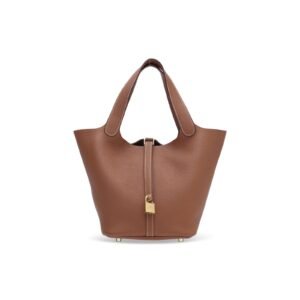
Choosing between the Birkin 25, 30 and 35 is often treated as a question of appearance. The 25 looks compact, the 30 occupies the middle ground, and the 35 has the presence of a larger day bag. However, the size that looks best in a photograph may not be the one you willingly carry through an ordinary day.
A practical comparison starts with behavior. How much time will the bag spend in your hand rather than on a desk or car seat? Do you need to carry a laptop, or only a phone, wallet and small essentials? Do you walk, drive or use public transport? Are you comfortable managing a recognizable top-handle bag without hands-free wear?
A useful starting principle is to choose the smallest size that handles your normal day without irritating compromises. Buying around rare occasions can leave you with unnecessary bulk, while choosing a compact size on the assumption that you will abandon regularly used items can make daily packing frustrating.
Birkin 25 vs 30 vs 35 at a glance
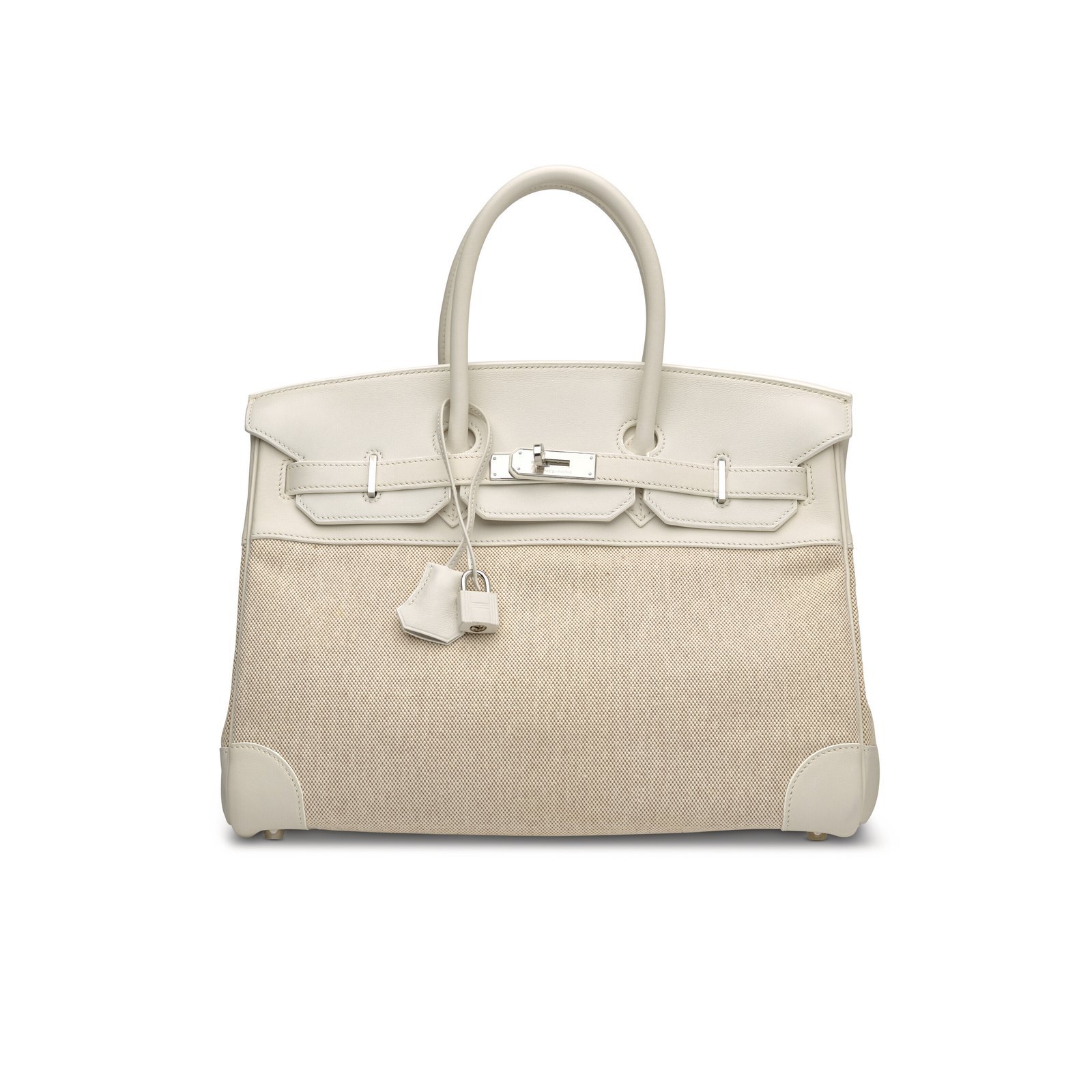
Standard published dimensions are approximately:
| Size | Approximate dimensions | Practical starting point |
|---|---|---|
| Birkin 25 | 25 × 20 × 13 cm | Compact essentials bag |
| Birkin 30 | 30 × 22 × 16 cm | Day bag with moderate extra capacity |
| Birkin 35 | 35 × 25 × 18 cm | Large day, work or point-to-point travel bag |
These measurements are a starting point, not a promise that a particular collection of belongings will fit. Rigid glasses cases, padded device sleeves, long wallets and organizers consume space differently from soft items. The opening and your preferred closure arrangement also affect usable capacity.
The official Hermès Birkin overview presents the 25, 30 and 35 within the same recognizable Birkin family. The standard versions discussed here are double-top-handle bags rather than shoulder bags. None offers the hands-free convenience of a crossbody strap, so choosing a larger size does not remove the central carrying limitation.
Start with a real-life carry audit
Place your genuine everyday belongings on a table before choosing a size. Include the cases, pouches and sleeves you normally use instead of substituting slimmer versions for the test.
A realistic audit might include:
- Phone in its normal case
- Wallet or cardholder
- Keys and key pouch
- Sunglasses or reading glasses in their usual case
- Cosmetic, medication or personal-care pouch
- Charger or power bank
- Small notebook and pen
- Bottle, tablet or work device, if carried regularly
Divide everything into daily necessities and occasional additions. Do not choose a large bag around items carried only a few times a year. Equally, do not assume that buying a 25 will permanently persuade you to leave essentials behind.
Next, audit movement. A bag carried from home to a car, from the car to an office and then placed beside a desk has a different job from one held through stations, pavements and several hours of shopping. The length of time you carry the bag can matter more than whether everything fits while the bag is sitting still.
Birkin 25: compact, edited and primarily hand-carried
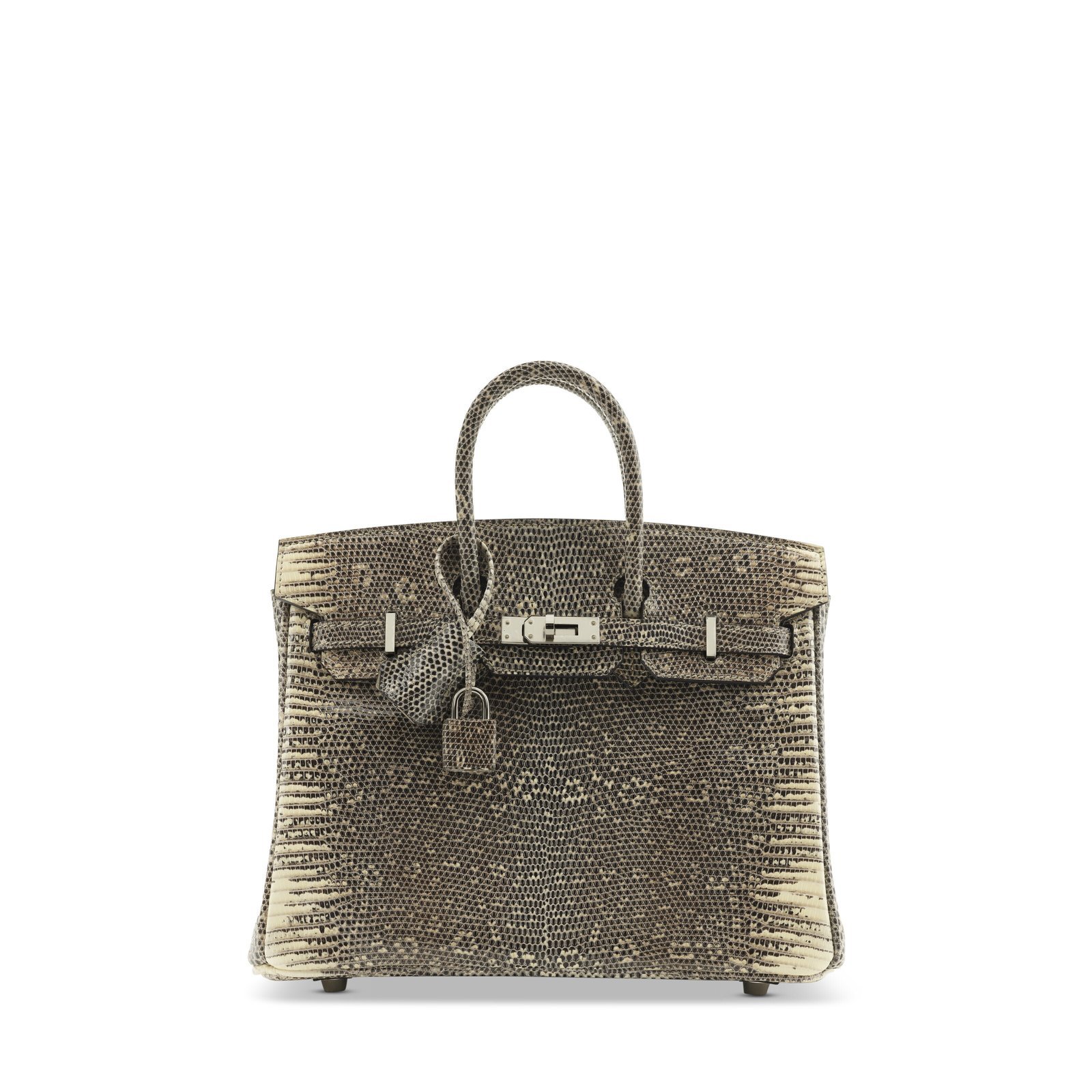
The Birkin 25 makes the strongest case for someone whose daily load is genuinely concise. A typical smartphone, compact or medium wallet, keys and several small personal items are reasonable starting points. Problems arise when multiple rigid accessories must fit together. A large phone case, long wallet, structured glasses case, cosmetic pouch and charger may leave little flexibility, especially if you want to fasten the flap.
Carry method is the more important limitation. Sotheby’s reports a Birkin 25 handle drop of approximately 6.35 cm and recommends trying the bag before purchase if wrist carry matters. Hand size, bracelets, sleeves and anatomy all affect clearance. Some people may be able to place it on the wrist, while others will find that awkward or impossible. Forearm carry should not be assumed, particularly over a coat.
The 25 can therefore make sense for dinners, lunches, appointments, short shopping trips and car-based days. It is less convincing for long periods of walking, bulky work equipment or routines in which both hands are frequently needed.
It is not large enough for a standard laptop. If work requires only a phone, cards, keys and small accessories, that may not matter. If a computer is essential, treat the 25 as a separate personal handbag rather than an all-in-one work bag.
Most realistic for: disciplined minimalists, short point-to-point days, evening use and people who already enjoy carrying a bag in the hand.
Think carefully if: you depend on large cases or pouches, wear bulky outerwear, walk for extended periods or dislike reorganizing a closely packed bag.
Birkin 30: a flexible middle, not a guaranteed work bag
The Birkin 30 provides meaningful room beyond the phone-wallet-keys formula. Depending on the dimensions of each item, it may accommodate a larger wallet, sunglasses, a small pouch, charger, notebook and compact bottle with less tightly layered packing than a 25 requires.
Its greater handle clearance generally makes moving between hand and crook-of-arm carry more plausible. That does not turn it into a shoulder bag or guarantee comfort for hours. Once loaded, its weight still rests in one hand or on one forearm.
The 30 can work well as an all-day handbag because it offers useful breathing room without the maximum capacity of a 35. It suits mixed days involving driving, appointments, moderate walking, shopping and lunch. Someone who carries very little may nevertheless fill the spare space with unnecessary extras or decide that the larger footprint is not justified.
Laptop compatibility requires caution. Some small devices may fit under particular conditions, but device dimensions do not answer the whole question. A protective sleeve adds bulk, other belongings reduce available room, and a computer that enters the bag may still interfere with convenient access or closure. Test the exact device in its normal sleeve with the rest of your daily load. Do not buy a 30 based solely on a general online claim that a particular laptop size fits.
Most realistic for: buyers wanting one substantial daily handbag, tablet users, non-bulky work essentials and routines combining driving with moderate walking.
Think carefully if: a laptop is non-negotiable, you carry very few belongings or you need reliable hands-free mobility.
Birkin 35: generous capacity that can become a carrying problem
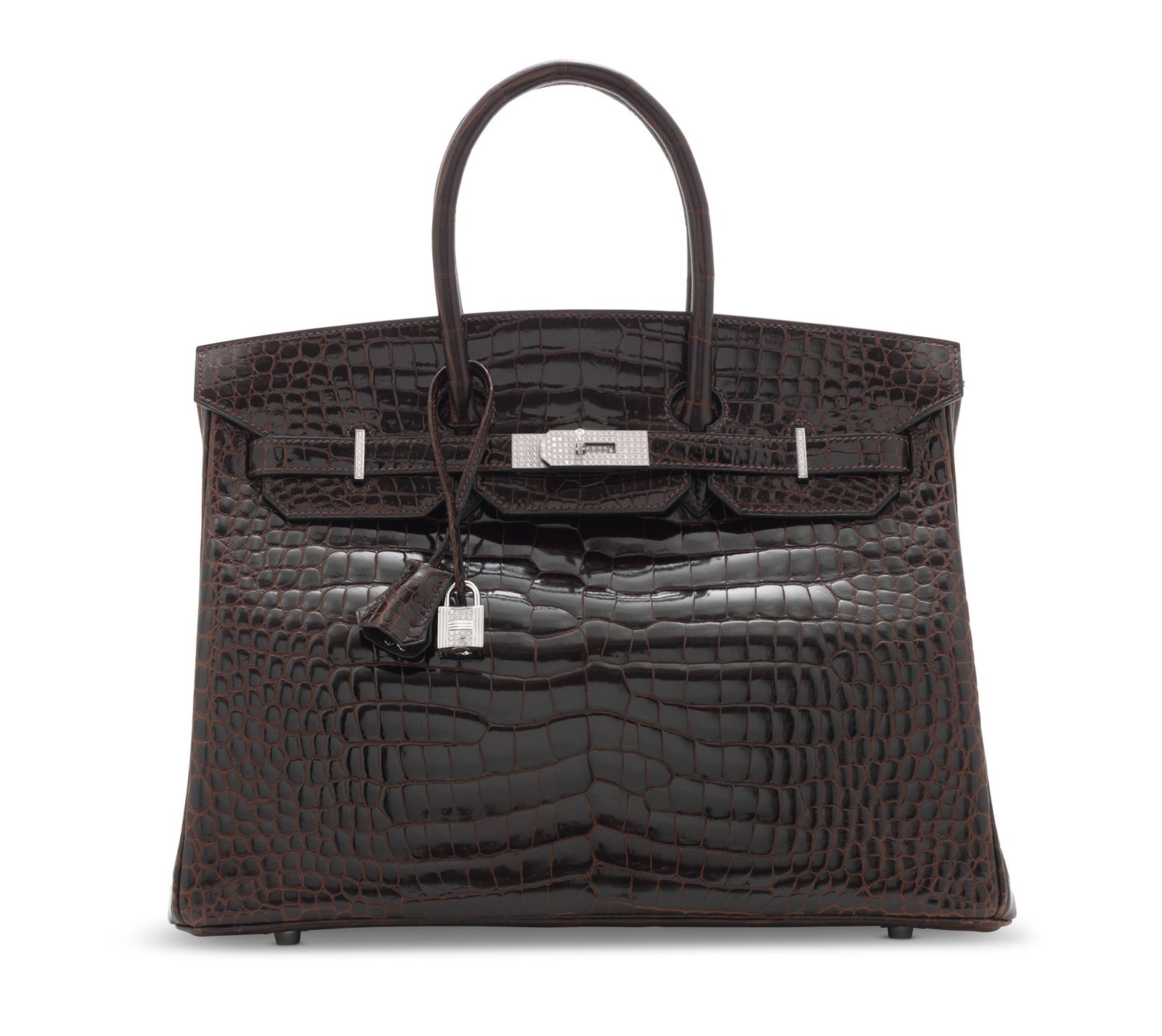
The Birkin 35 offers the greatest capacity of the three. Files, larger pouches, a bottle and travel extras are easier to contemplate, and some laptops may fit. Laptop suitability remains device-specific: test the exact computer inside its usual sleeve, alongside everything else you intend to carry, without forcing the opening or relying on an impractical arrangement.
The principal tradeoff is that a bag with more space often ends up holding more. The larger body affects the starting feel, and filling the available capacity can create a bag that is technically useful but unpleasant to lift repeatedly. Exact weight varies with leather, hardware, construction and the individual bag, so a universal empty or loaded weight would be misleading.
Leather and construction also influence how two bags of the same size feel and hold their shape. These differences should be assessed on the actual examples under consideration rather than used to make a broad promise that one Birkin 35 will always feel lighter or more manageable than another.
The 35 makes its best case in a point-to-point routine. It can work when it moves from a car to an office, remains beside a desk and later returns to the car. It can also hold personal travel extras when another piece of luggage carries the heaviest equipment and the Birkin can be set down frequently.
It is less persuasive for continuous walking, crowded public transport or sightseeing. Additional capacity does not compensate for the lack of a shoulder strap when you are standing for long periods or simultaneously managing luggage.
Most realistic for: substantial everyday loads, documents, tested work equipment and car-to-office routines in which the bag is often set down.
Think carefully if: you commute on foot, tend to overpack, need both hands free or want a bag that sits unobtrusively beside you in confined spaces.
How packing changes comfort and access
Size alone does not determine how a Birkin feels. Leather, hardware, construction and the characteristics of an individual bag can affect its empty feel and silhouette. Compare the actual bags you are considering rather than assuming every example of one size will feel identical.
An organizer can make small items easier to find, but it also occupies interior space and adds material. If you intend to use one, include it during the capacity test. The same applies to laptop sleeves, bottle covers and structured pouches.
Access deserves a separate test. The flap, straps and turn-lock create a more involved closure than a simple open tote. Fully fastening the bag may make repeated retrieval of a phone, access card or keys less immediate. Test the closure arrangement you genuinely expect to use instead of assuming the bag will always remain open. A size is not practical if reaching essential items becomes annoying whenever it is packed normally.
Match the size to work, travel and transport
Work
Choose around mandatory equipment. The 25 is an essentials handbag rather than a standard laptop bag. The 30 may suit a tablet, notebook and compact work accessories, but computer fit requires a physical test. The 35 offers the most plausible capacity for documents and some laptops, although adding a charger, bottle and personal items may make the final load uncomfortable.
If you already carry a dedicated laptop case, a 25 or 30 can function as the personal bag. Before treating that arrangement as a solution, consider whether managing two top-handled items is acceptable during your commute.
Travel
The 35 can hold more travel essentials, but that does not automatically make it the best airport choice. Security screening, luggage handling and the need for free hands may favor a smaller personal bag or a different hands-free format. The 25 is more compact but may require close packing for documents, glasses, headphones, a charger and personal items. The 30 occupies the middle ground when it does not have to replace a full carry-on.
Driving and walking
Driving allows a bag to be set down frequently. In that routine, the 25 offers compactness, the 30 provides useful daily capacity, and the 35 can support a heavier work load.
Walking exposes every compromise. Short handles, concentrated weight and overpacking become more noticeable with time. Carry the intended load for at least ten minutes rather than judging comfort from a brief lift of an empty bag.
Body frame should inform, not dictate, your choice
Height-based rules cannot determine which size will work. A petite buyer may prefer the appearance of a 25 but dislike its handle clearance. Another may choose a 35 because work capacity matters more than conventional proportion advice. A taller owner may enjoy the visual presence of a 35 yet carry too little to justify its volume.
When testing a bag, wear light clothing and then a coat. Check hand and forearm clearance, whether the bag bumps your leg while walking and whether you can lift it smoothly from a low car seat. Sit with it beside you as you would in a restaurant or meeting. These observations are more useful than selecting a size according to height alone.
Recognizability is a practical consideration
Reducing the Birkin to 25 cm does not make its shape and hardware unrecognizable. Consider whether carrying any of the three sizes would change your behavior on public transport, at work, in hotels, while dining or in unfamiliar destinations.
This is not a claim that one setting is categorically safe or unsafe. The practical question is whether concern would cause you to leave the bag at home. If recognizability repeatedly makes you choose another bag, that limitation belongs in the buying decision just as much as capacity and handle comfort do.
A final pre-purchase test
Re-create your normal day as accurately as possible:
- Pack your actual phone, wallet, keys, cases, pouches and work device.
- Include the organizer or protective sleeve you intend to use.
- Arrange and fasten the bag as you would outside the store.
- Carry it with ordinary clothing and then with a coat.
- Walk, sit, retrieve your phone and lift the bag from a chair or car-height surface.
- Repeat the test after removing occasional items so the result reflects your true daily load.
The Birkin 25 is persuasive when a concise load and hand carry already match your habits. The 30 offers the most flexible middle position but should not be mistaken for a guaranteed laptop bag. The 35 earns its capacity when substantial belongings have a regular purpose and your routine allows the bag to be set down often.
There is no universally superior size. The right choice is the one that survives an honest test of your belongings, clothing, transport, access needs and willingness to carry it once loaded.