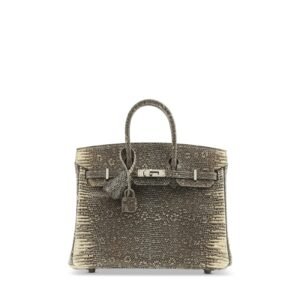
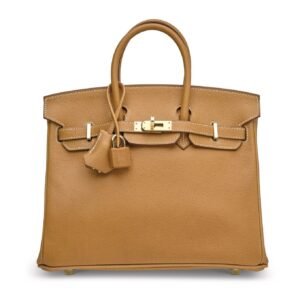
Choosing a Hermès leather is easier when the bag is empty, perfectly arranged and viewed under controlled lighting. Daily life introduces different questions. Will the opening feel stiff when the bag is full? Will keys leave pressure marks? Will the panels remain upright, or will they gradually relax? How noticeable will rubbing be after commuting or travel?
Togo, Epsom, Swift and Clemence answer those questions differently. Their grain, firmness and surface character affect how a bag feels in the hand, responds to its contents and shows normal handling. Bag size and construction matter too, and individual hides can vary. The comparisons below are therefore practical tendencies rather than guarantees about every bag.
The four leathers at a glance
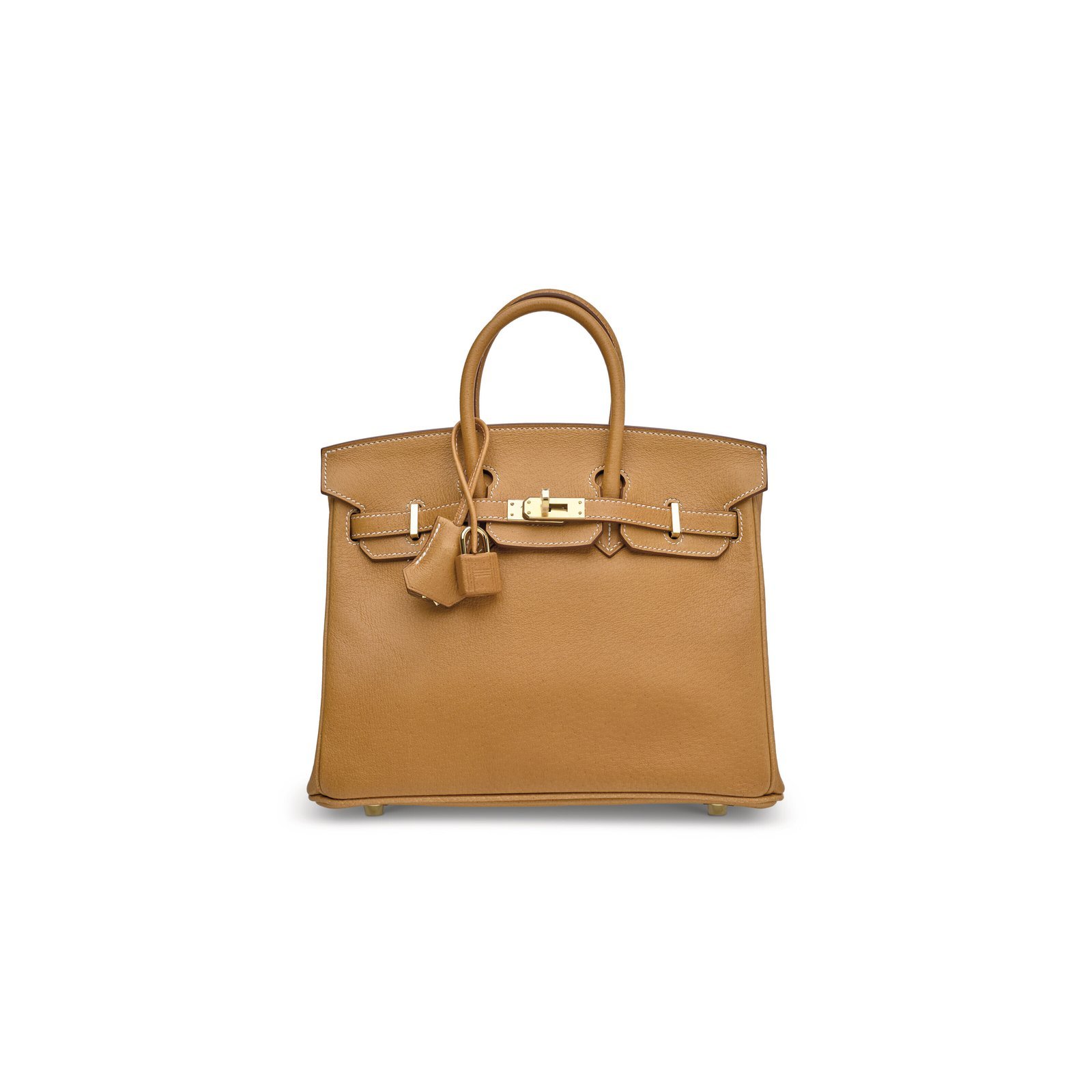
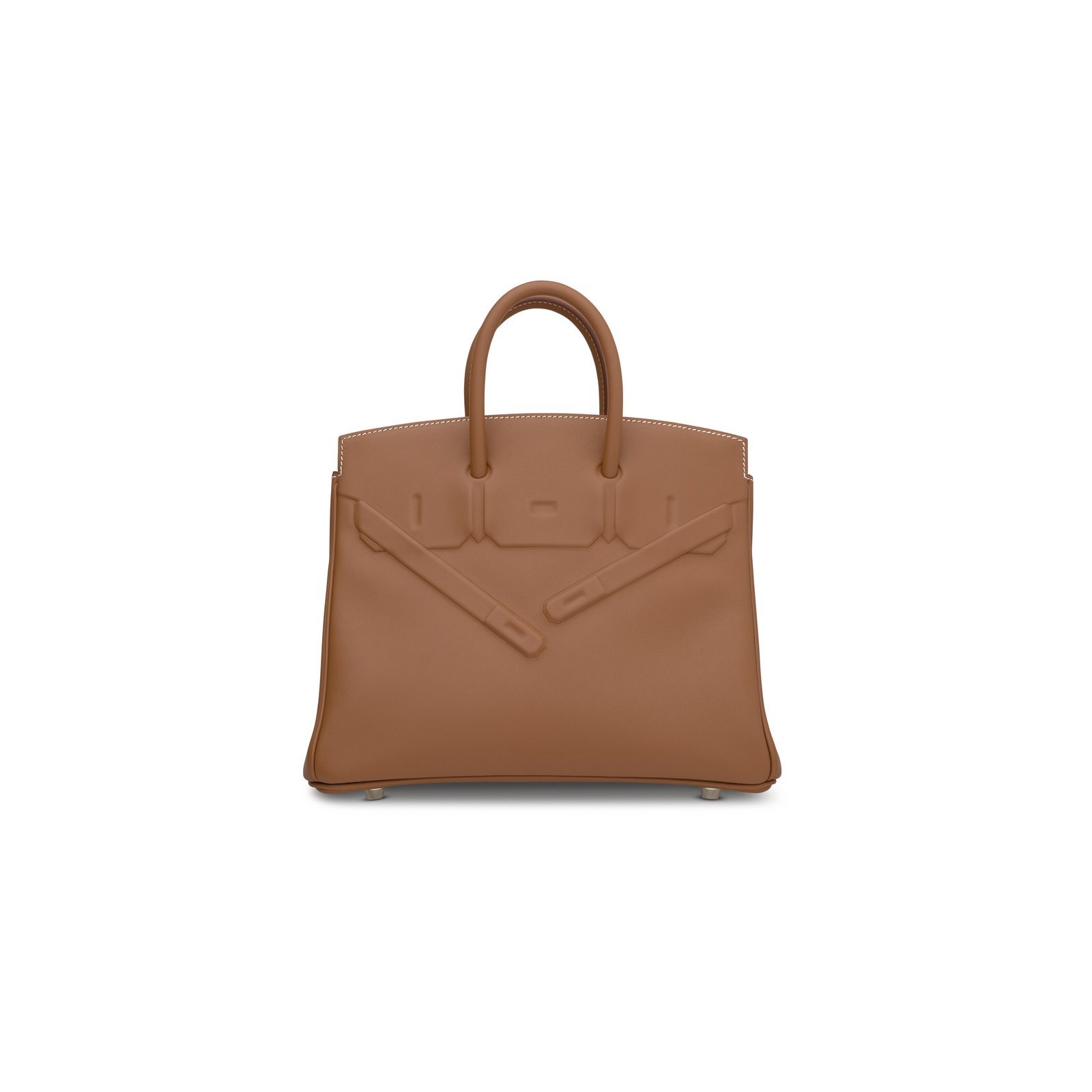

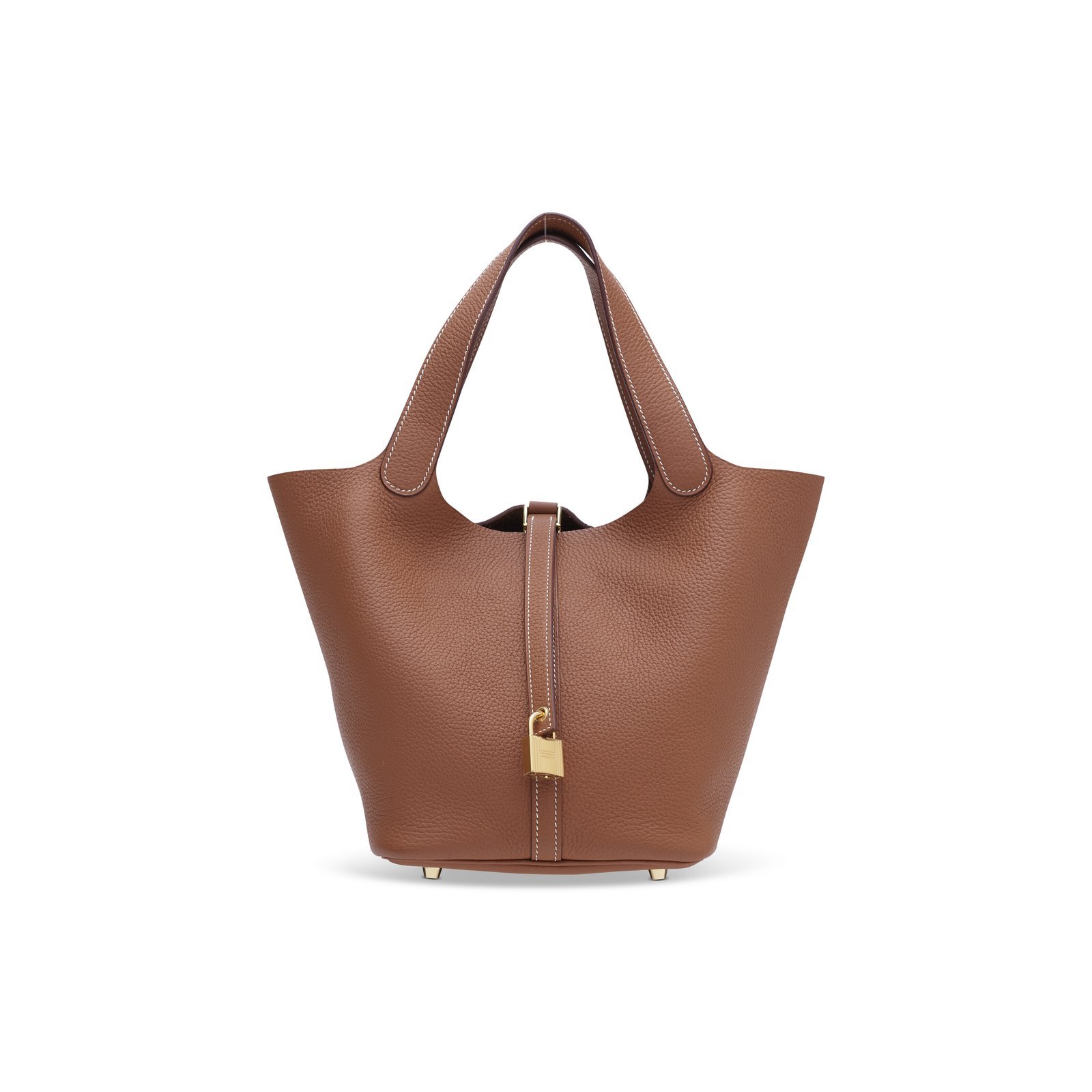
| Leather | Surface and hand | Structure in use | How wear tends to appear | Behavior when filled |
|---|---|---|---|---|
| Togo | Defined pebble grain; supple rather than rigid | Retains recognizable structure but gradually relaxes | Grain can camouflage light scratches and handling; corners and piping still wear | Has useful give, although overloading can cause bulging and base rounding |
| Epsom | Fine, regular embossed grain; firm and crisp | The most architectural of the four | Superficial marks may be less obvious, but dents, creases and worn contact points can stand out | Holds its shape but offers less flexibility around tightly packed contents |
| Swift | Very fine natural grain that can appear almost smooth; soft and silky | Fluid and responsive | Scratches, rubbing, pressure and localized sheen are generally easier to see | Flexible, but angular contents can press visibly against the panels |
| Clemence | Broad, rounded grain; soft, matte and substantial | Naturally relaxed and increasingly slouchy | Grain softens the appearance of minor marks; stretching and corner wear remain possible | Accommodating, but a filled medium or large bag may feel substantial |
No leather is universally best for daily use. The useful question is which tradeoff fits your routine: firmness or flexibility, a crisp silhouette or drape, and visible surface character or greater camouflage of minor marks.
Togo: moderate structure with useful give
Togo has a natural-looking pebble grain that is generally smaller and more defined than Clemence grain. It feels supple without being as fluid as Swift or as soft and substantial as Clemence. Grain, veining and firmness can differ between hides, so two Togo bags may not feel identical.
In use, Togo occupies the middle of this comparison. It usually preserves the recognizable form of a structured bag while allowing the panels to relax gradually. That balance can make it comfortable when a bag must hold ordinary work or daily essentials without feeling board-like, as illustrated by a Birkin 30 in Togo Noir. Larger bags and bags repeatedly carried full are more likely to develop visible relaxation.
The textured surface visually breaks up fine scratches and routine handling better than an almost smooth leather. This is camouflage, not protection. Corners, piping, handles and the base remain vulnerable to repeated contact, and overloading can encourage bulging or a rounded base.
Togo makes sense when a buyer wants one frequently carried bag with texture, moderate structure and some flexibility. It may be less satisfying for someone who expects every panel to remain sharply upright over time.
Epsom: crisp structure and limited flexibility
Epsom has a fine, regular cross-hatched grain produced through embossing. Its hand is comparatively firm, dry and crisp. Buyers who associate luxury with softness may find it less tactile than the other three leathers, while those who prefer precision may value its consistent surface and clean lines.
It is the most architectural option in this group. Epsom supports defined edges and orderly panels, and it does not readily collapse around its contents—qualities visible on a Kelly 20 in black Epsom. It is also often perceived as lighter than Clemence, although the complete carrying experience depends on the bag’s size, construction, hardware and contents.
Firmness creates practical limits. A compact Epsom bag may be stiffer to open or reach into, and a tightly packed interior can make the closure awkward. Forcing a rigid or oversized object inside may create concentrated pressure, a dent or a crease rather than allowing the panel to flex around it.
The embossed grain can make light surface disturbance less noticeable, but Epsom should not be treated as indestructible. Repeated rubbing may flatten or wear the grain at corners and other contact points. A strong fold, dent or crease can be conspicuous because it interrupts an otherwise uniform surface.
Epsom is most compelling when shape retention, a neat professional appearance and lower perceived empty-bag heft matter more than softness or easy give.
Swift: silky, flexible and visibly responsive
Swift has a very fine natural grain that can look almost smooth from a normal viewing distance. It feels soft and silky, and light moves more continuously across its surface than across a pronounced pebble grain. This can give colors a luminous, saturated appearance.
Its suppleness softens the formality of a structured design and emphasizes drape in a relaxed one. Larger Swift bags may relax noticeably, but the exact result depends on construction, size and the individual hide.
Because there is little grain to disguise disturbance, scratches and rubbing generally register more clearly. Repeated touching may create localized sheen, while hard or angular contents can leave pressure marks when pushed against a panel. Keys, pens and similar objects are better contained in a pouch than left to move freely inside.
Swift is not limited to occasional use, but it requires realistic expectations. It can work well for a smaller bag or a careful owner who prioritizes hand feel and color; this Mini Kelly Picnic with Swift leather provides a compact example. It is less reassuring for crowded transit, abrasive surfaces or anyone who finds the first visible scratch difficult to accept.
Clemence: broad grain and intentional drape
Clemence has a broader, more rounded grain than Togo and generally feels softer, thicker and more substantial. Its matte surface tends to diffuse light, creating a quieter color presentation than Epsom’s graphic finish or Swift’s luminosity.
Of these four leathers, Clemence is the most naturally inclined to slouch. That relaxation is part of its character rather than automatic evidence of damage. It complements bags designed around softness, rounded lines or casual movement, but it may disappoint a buyer who wants a larger bag to stand sharply upright.
The pronounced grain can soften the appearance of minor scratches and scuffs. It cannot prevent corner abrasion, handle darkening, stretching or deformation. Habitual overpacking may accelerate loss of definition, and the leather can feel substantial once a medium or large bag is filled.
An organizer may help distribute small items, but a thick or tightly fitted insert can press against the panels or force the bag into an unnatural shape. Clemence suits someone who actively enjoys tactile softness and an evolving silhouette rather than merely tolerating them; an Evelyne 29 in orange Clemence shows that relaxed pairing.
How different forms of wear compare
“Durable” is too broad to explain what happens in practice. Each surface makes particular kinds of wear more or less noticeable.
- Fine scratches: Togo and Clemence grain can visually break up light scratches. Swift usually reveals them sooner. Epsom may disguise superficial contact, but a mark that disrupts its regular embossing can remain apparent.
- Rubbing and corner wear: All four leathers can show abrasion at corners, piping and other contact points. Epsom’s embossed grain may flatten, while Swift may develop an obvious change in finish. Pebbled grain does not make Togo or Clemence immune.
- Pressure from contents: Swift can display pressure from angular objects because of its smooth, supple surface. Clemence may stretch around repeated overpacking. Epsom resists flexing but can show a concentrated dent or crease if forced. Togo has moderate give but can still bulge.
- Handling: Handles and frequently touched areas may darken or acquire a different sheen through contact with hands, lotions and environmental residue. How quickly this becomes visible depends partly on color and frequency of use.
- Color transfer and grime: Pale shades make grime and dye transfer easier to notice regardless of leather. Dark shades may conceal discoloration more effectively, although changes in finish and edge rubbing can still be visible.
A heavily grained leather may look more forgiving during routine use, but that does not mean damage is absent or easily restored. Restoration outcomes depend on the leather, color, location and severity of the problem.
How leather changes the same bag model
Leather can alter the stance, weight perception, access and overall mood of an otherwise familiar design. A Birkin in Epsom generally reads as sharper and more formal, with panels that remain controlled around the contents. Togo produces a more balanced effect: recognizable structure with gradual relaxation. Clemence makes the silhouette softer and more casual and may feel more substantial when filled. Swift creates a smoother, more luminous surface while responding more visibly to handling and pressure.
These distinctions become more pronounced as size increases. Softness that creates gentle movement in a compact bag can become substantial slouch in a larger format. Epsom’s firmness may feel reassuring in a work bag but restrictive in a very small bag where the opening is narrow and the contents fit closely.
For a Kelly, construction must be considered alongside leather. Epsom reinforces the precise geometry associated with Sellier construction. Togo and Clemence naturally complement the rounded seams and softer impression of Retourne construction. Swift can make a compact Kelly feel less severe, although its surface will generally require more attentive handling.
The model also influences whether a leather’s defining quality feels helpful. Clemence drape can look intentional on a Picotin, Lindy or Evelyne, while the same degree of relaxation may be unwelcome to someone expecting a sharply upright work bag. Epsom’s rigidity is valuable when clean geometry is the goal, but less convenient when flexible access is the priority.
Why the same color can look different
Surface texture changes how light is reflected. Epsom’s uniform embossed grain often makes color look crisp, bright and graphic. Swift’s smoother surface can produce greater apparent depth and luminosity. Togo presents color through a defined pebble texture, usually creating a balanced, less glossy reading. Clemence’s broad matte grain can make a related shade look softer or more diffuse.
These are visual tendencies, not exact formulas. Lighting, hardware, age, hide variation and camera processing also affect what the eye sees. Online photographs should not be treated as exact color references. When possible, examine a bag in daylight and indoor light, and consider whether the color suits the environments in which it will be carried.
Cleaning and practical upkeep
None of the four leathers should be considered maintenance-free or suitable for aggressive home cleaning. Hermès advises protecting leather from water, oil, excessive heat, prolonged light, excessive humidity and excessive dryness. Ink, cosmetics, perfume, alcohol-based products and dye transfer from dark textiles may cause lasting damage.
If water reaches the surface, address it promptly with a soft, lint-free cloth without vigorous rubbing. Do not assume that a cleaner or conditioner intended for another leather is safe. An ordinary commercial product may alter color, finish or texture, and an attempted home repair can complicate later professional work.
Texture can change how quickly a small mark is noticed, but it does not make one of these leathers reliably easier to clean at home. Prevention is the more useful strategy:
- Keep keys, pens, makeup and liquids in separate pouches.
- Avoid placing the bag on rough floors, wet surfaces or crowded restaurant seating.
- Do not force the closure around an overloaded interior.
- Store the bag without heavy contents and support it without stretching the panels.
- Avoid tightly fitted inserts that place continuous pressure on the leather.
- Seek an appropriate professional assessment for significant stains, deep scratches or structural concerns.
A lifestyle-based decision guide
Use your routine—not a general reputation for durability—to narrow the choice.
| Priority or routine | Practical starting point | Tradeoff to accept |
|---|---|---|
| Regular commuting or work | Togo for moderate give and visual camouflage; Epsom for crisp shape and lower perceived heft | Togo will relax; Epsom can feel stiff when tightly packed |
| Frequent travel | Togo for balanced flexibility; Clemence for a casual design carried without overloading | Clemence may feel substantial; neither should be crushed or overfilled |
| A sharply upright silhouette | Epsom, with Togo as the softer compromise | Epsom provides less flexible access; Togo will not remain equally crisp |
| A relaxed, tactile bag | Clemence | Slouch and a substantial carrying feel are part of the experience |
| Color and hand feel first | Swift | Scratches, rubbing and pressure marks are generally more visible |
| Concern about fine scratches | Togo or Clemence for grain that can camouflage minor marks | Grain does not prevent corner wear, stretching or deeper damage |
| A compact or occasional-use bag | Swift for softness and luminosity; Epsom for precise geometry | Swift needs attentive handling; Epsom remains firm |
| Habitual overpacking | Reconsider the bag size before choosing a leather | Soft leather may bulge or stretch, while firm leather can crease under force |
Before deciding, ask whether a scratch or a slouch bothers you more, whether you need flexible access, and how often the bag will encounter crowded transport, rough surfaces or heavy contents. Also consider color: a pale grained bag can still show dye transfer, while a dark smooth bag can still reveal rubbing through changes in sheen.
Togo offers the broadest middle ground, Epsom prioritizes structure, Swift prioritizes a silky hand and luminous color, and Clemence prioritizes softness and drape. The right choice is the leather whose normal behavior fits both your routine and your expectations of how a well-used bag should age.